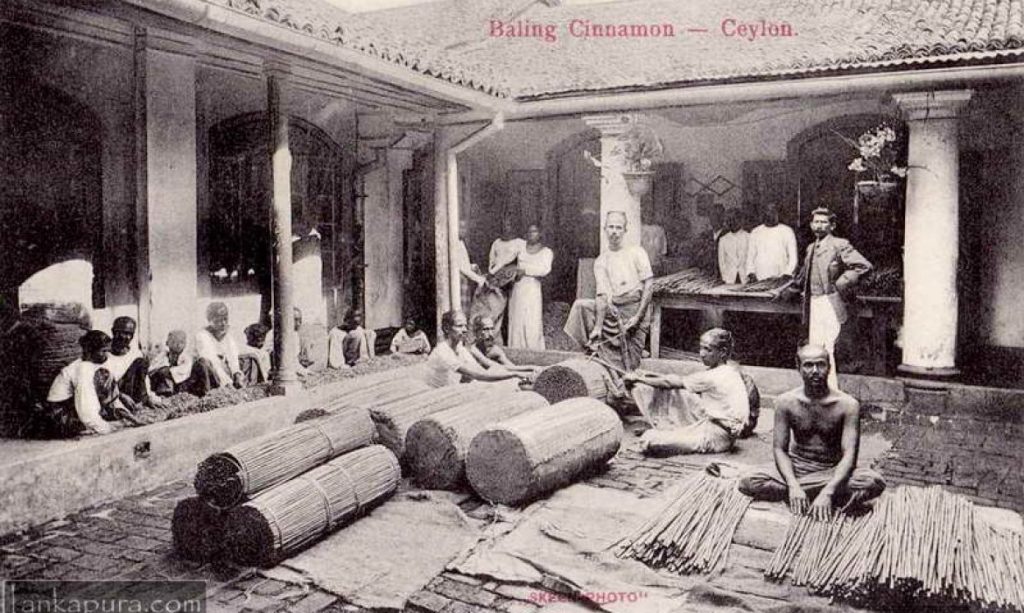
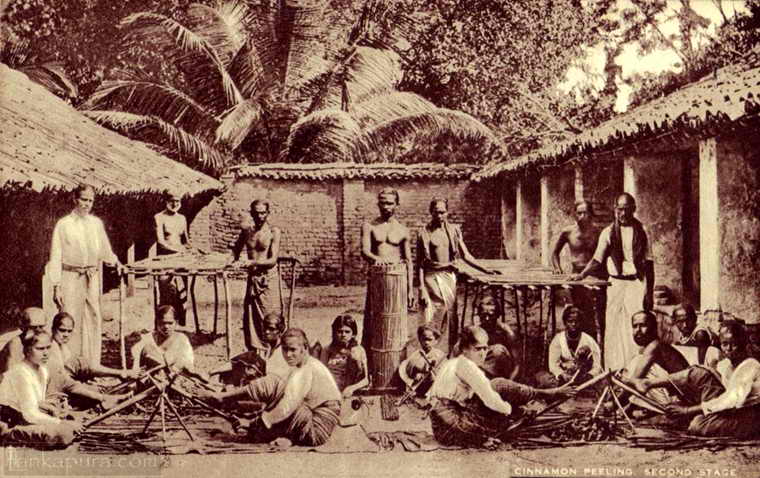
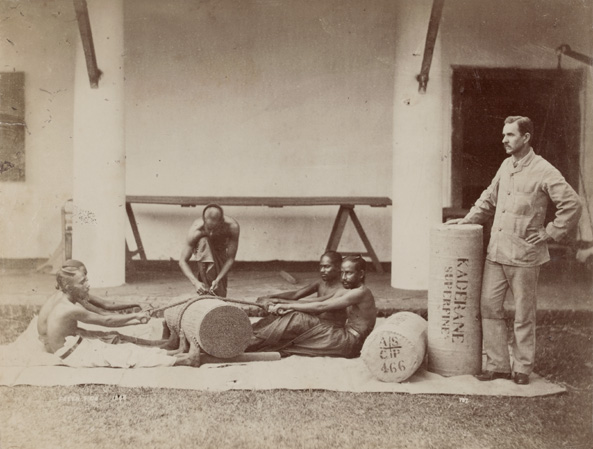
Historical records indicate that cinnamon has been used by humans for thousands of years. In ancient Egypt, it was used in the embalming process, while the Old Testament mentions cinnamon as an ingredient in sacred anointing oils. Arab traders later introduced cinnamon to Europe, where it became highly valued, particularly as a meat preservative during the winter months. Although cinnamon was widely traded, Arab merchants successfully kept its true origin a secret from Europeans until the early 16th century.
To maintain their monopoly and justify the high price of this prized spice, Arab traders shared imaginative and often mythical stories about its source and method of harvest. The monopoly on cinnamon, previously controlled by Arab traders and the Sinhalese kings of Sri Lanka, was seized by the Portuguese in the late 16th century, enabling them to generate substantial profits. With the arrival of the Dutch in Asia during the 17th century, the Portuguese monopoly collapsed, marking the beginning of the golden age of the cinnamon industry in Sri Lanka.
In 1766, a treaty was signed between the Kingdom of Kandy and the Dutch, granting the Dutch rights to harvest cinnamon from forested areas of the island. In return, the Dutch agreed to protect the kingdom from foreign invasions. However, this monopoly ended in 1796 when the British defeated the Dutch and took control of Sri Lanka’s coastal regions.
Initially, the British benefited greatly from the cinnamon trade. However, by the mid-19th century, cinnamon cultivation declined as cheaper cassia varieties entered the global market and other commercial crops—such as coffee, cocoa, tea, rubber, and coconut—gained greater economic importance. A revival of the cinnamon industry began in 1972 with the establishment of the Department of Minor Export Crops, which aimed to promote cinnamon and other minor export crops.
Today, Ceylon cinnamon enjoys a long-standing reputation in international markets for its superior quality, light colour, refined flavour, and delicate aroma. As a result, Sri Lanka is the world’s largest producer and exporter of true cinnamon, supplying approximately 90% of the global market.
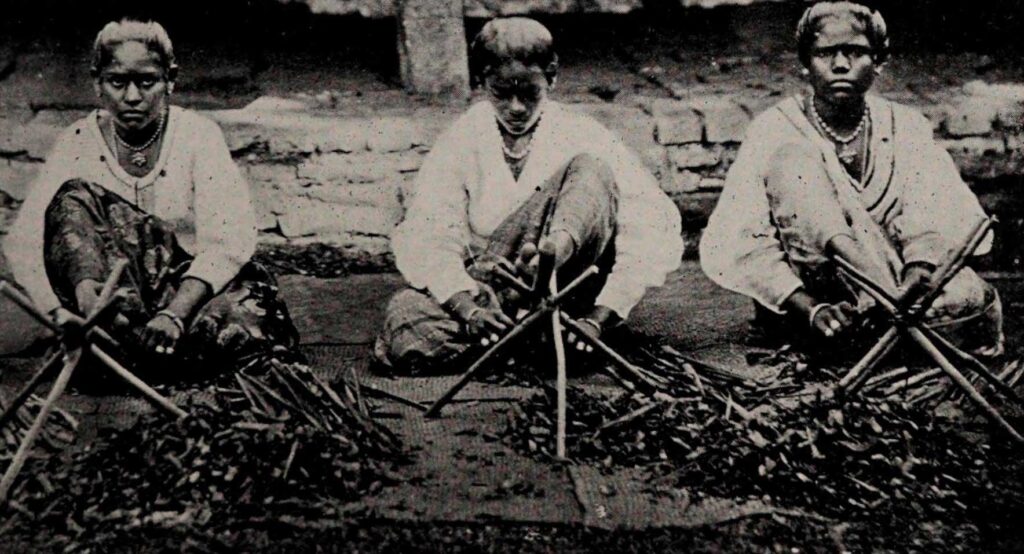
References:
Sri Lanka Export Development Board. Retrieved October 18, 2025, from https://www.srilankabusiness.com/spices/about/cinnamon-cultivation-sri-lanka.html
Department of Cinnamon Development. Retrieved October 18, 2025, from https://cinnamon.gov.lk/eng/
Department of Export Agriculture. Retrieved October 19, 2025, from https://dea.gov.lk/
Department of Cinnamon Development. (2025). Cinnamon Hand Book. OXFAM.