Cinnamon, a spice crop that was recognized by humans in the past, is a plant indigenous to Sri Lanka and is a perennial woody plant belonging to the Lauraceae family and the genus Cinnamomum. Botanically, it is known as Cinnamomum zeylanicum or Cinnamomum verum.
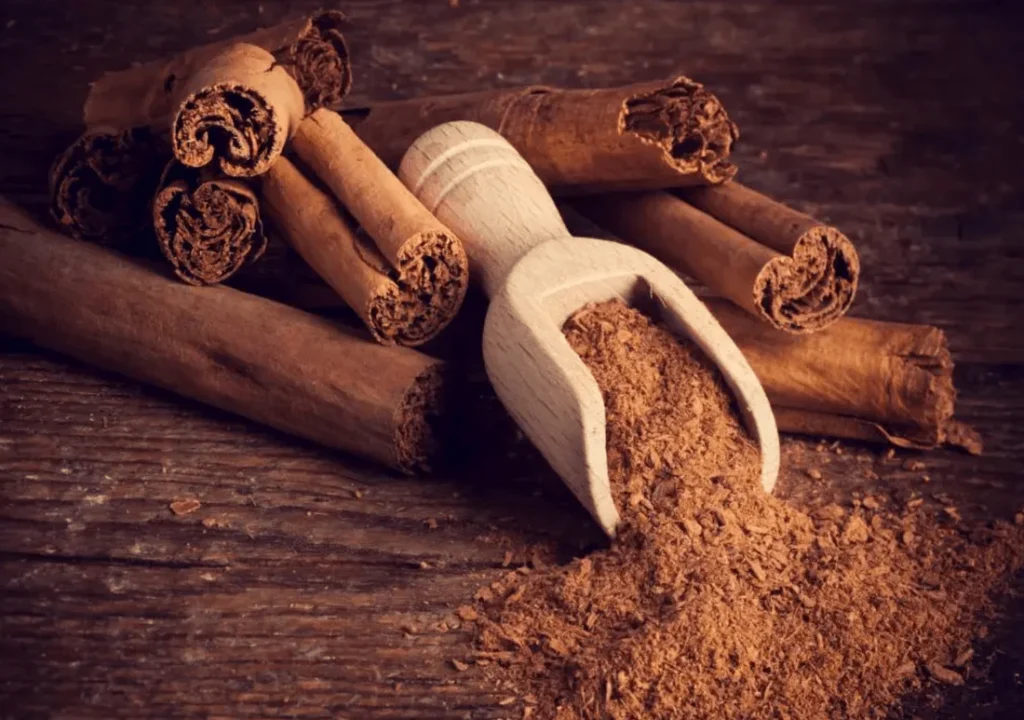
The main commercial product of cinnamon is the dried inner bark of the plant. Peeling cinnamon bark and processing it into cinnamon quills and presenting it to the market is a unique method in Sri Lanka and this processing has helped to preserve the identity of Sri Lankan cinnamon.
There are two main types of cinnamon found in the world market, and although the cinnamon produced in Sri Lanka is known as true cinnamon, a substitute, Cassia cinnamon, is introduced to the market from countries such as Indonesia, Vietnam, and China. These types of cassia cinnamon are called Indonesian cassia, Chinese cassia, and Indian cassia. The quality of these cassia cinnamon is much lower than that of true cinnamon. Recent scientific research has confirmed that cassia cinnamon species contain high levels (more than 5%) of a carcinogenic (cancer-causing) chemical called Coumarin.
Sri Lanka is the world’s largest producer and the exporter of pure cinnamon to the world and Sri Lanka supplies 90% of the demand for true cinnamon in the global market. This is because, pure ceylon cinnamon has acquired long standing reputation in the global market due to its unique quality, colour, flavour and aroma.
At present Cinnamon is widely used as a food ingredient as well as in pharmaceutical preparations and in the cosmetics industry worldwide. High in antioxidants, it is considered a product which is good for overall health. Volatile oil of Cinnamon is widely used in perfumes, cosmetics and scented exotic gifts.
References:
Sri Lanka Export Development Board. Retrieved October 18, 2025, from https://www.srilankabusiness.com/spices/about/cinnamon-cultivation-sri-lanka.html
Department of Cinnamon Development. Retrieved October 18, 2025, from https://cinnamon.gov.lk/eng/
Department of Export Agriculture. Retrieved October 19, 2025, from https://dea.gov.lk/
Department of Cinnamon Development. (2025). Cinnamon Hand Book. OXFAM.